
Addiction Care and Treatment Services
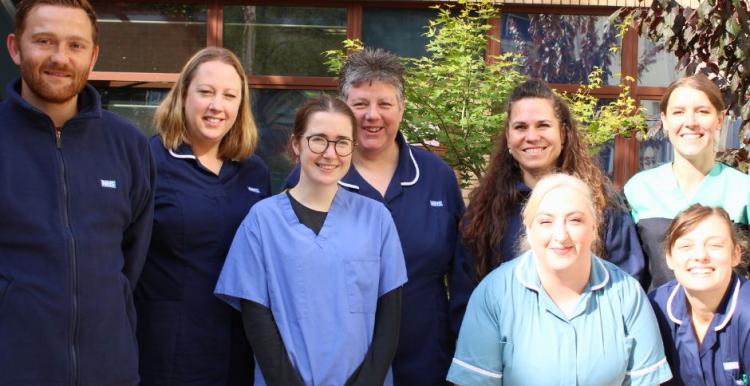
What is a typical day like for someone who works within the hospital’s Addiction Care and Treatment Services team?
"A typical day is very comprehensive and involves a blend of clinical assessment, patient support, multidisciplinary collaboration, and health education.
"We provide specialist assessment, treatment, and advice for adult inpatients (18+) where alcohol or other substance use has contributed to their hospital admission or attendance.
"We offer person-centred support, including brief interventions, harm minimisation strategies, and onward referral to community-based drug and alcohol services.
"We develop and document care plans and clinical management plans for patients experiencing or at risk of alcohol withdrawal syndrome, ensuring safe and evidence-based practice.
"The team liaises closely with ward staff, mental health teams, and community alcohol services to facilitate coordinated discharge planning and continuity of care.
"We provide education and guidance to hospital staff on safe alcohol management, withdrawal protocols, and the use of screening and assessment tools."
How do you identify if a patient needs intervention from the team?
"Patients are identified through timely alcohol screening carried out by ward-based staff using the electronic nursing assessments (eNA) within 6 hours of admission.
"The alcohol screening score determines which care pathway the patient follows. A high-risk screening score triggers a referral to the addiction specialist nurses for further assessment, care, and treatment.
"This process ensures that patients with alcohol-related needs are identified early. This then reduces their hospital length of stay, enabling timely discharge, and improves engagement with community alcohol services, which helps lower re-admission rates."
How do you decide what support is best for a patient?
"Support is tailored to individuals after a comprehensive assessment that considers:
- Current drinking patterns and dependency
- Physical and mental health history
- Motivation to change or reduce alcohol use
- Social circumstances, housing and family support
- Previous treatment history.
"Interventions may include:
- Medical detoxification or withdrawal management
- Brief motivational interventions
- Harm reduction strategies
- Referral to community alcohol services or other services
- Psychological or social support."
How does the Addiction Care and Treatment Services Team ensure that a patient receives holistic care?
"We work holistically by addressing physical, psychological, and social needs, often through multidisciplinary collaboration with physical health, mental health, and social care teams.
"Underlying factors such as trauma, homelessness, or mental illness are always taken into account, and we involve family and carers when appropriate.
"Continuity of care after discharge is also ensured through community referrals and we promote wellbeing, recovery, and self-management strategies."
Do you provide support for family members or carers?
"We offer information, emotional support, and signposting for families and carers.
"This may include education about alcohol dependence and recovery. We also offer referrals to family support organisations, such as Al-Anon, With You, Reach carers support, or Sustain.
"We recognise the importance of supporting family members, as this helps improve recovery outcomes for patients and reduces stress for carers.
What does the term ‘alcohol harm reduction’ mean, and why is it important?
"Alcohol harm reduction refers to a set of practical strategies and approaches designed to minimise the negative physical, mental, and social consequences associated with alcohol use — without necessarily requiring complete abstinence.
"This approach recognises that some individuals will continue to drink and instead focuses on making alcohol use safer and less harmful.
"Goals may include moderation, reduce risky behaviours, or to achieve abstinence, depending on each person’s circumstances, readiness to change, and personal goals."
What are health benefits of taking up the Dry January® challenge?
"There are many benefits. Taking a break from alcohol can lead to better sleep, increased energy, weight loss, and improved liver health.
"It’s a reset for the body after indulgent months like December.
"Abstaining from alcohol often leads to improved mood, reduced anxiety, and better focus.
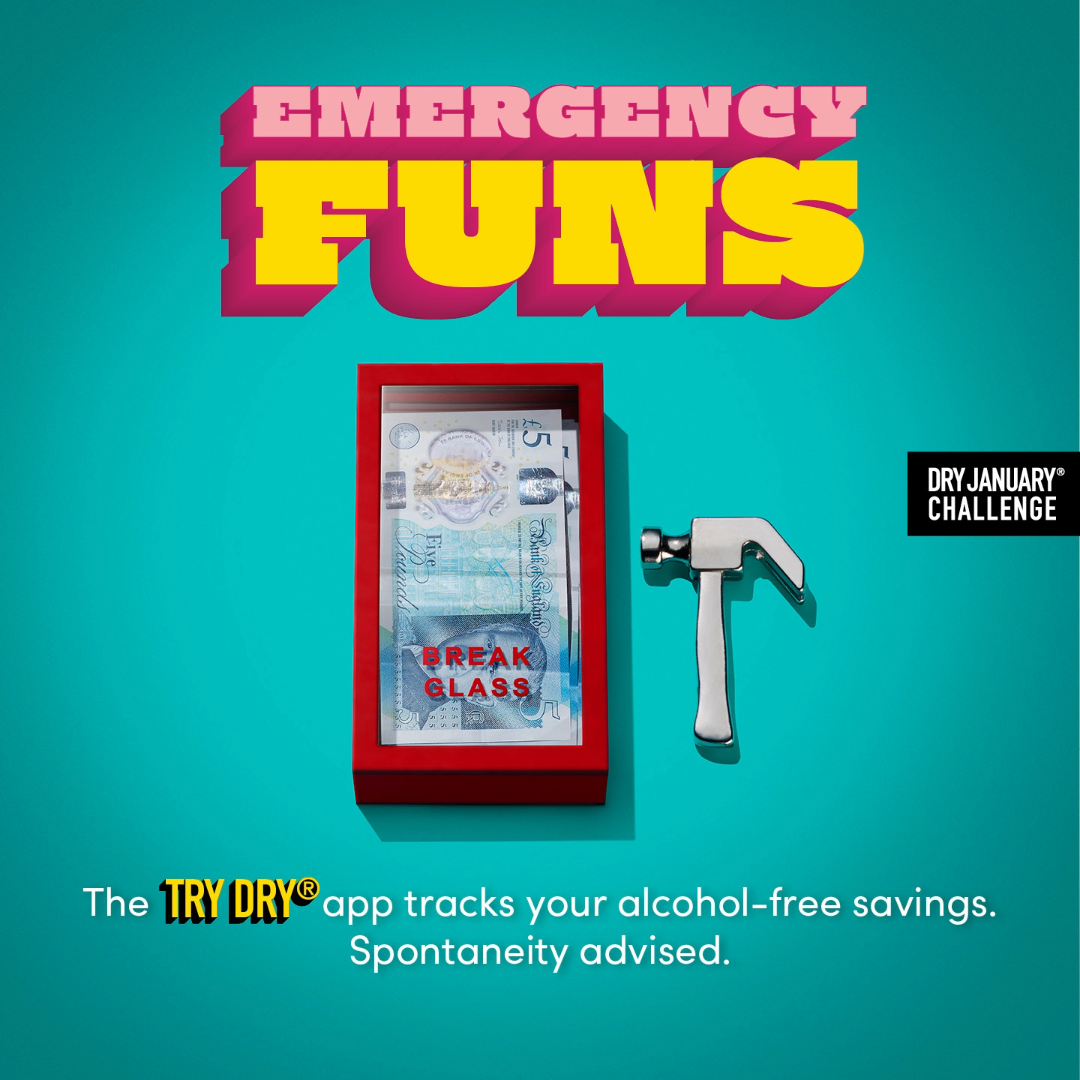
"Dry January® can also benefit your wallet! Cutting out alcohol for a month frees up funds and shows how much can be saved with a lifestyle shift.
"It helps people reassess their relationship with alcohol, proving to themselves that they can enjoy life without it and when one person takes part, it can then encourage friends and family to consider healthier habits."
If anyone would like further information on Dry January®, then please click on the link below:
Share your story
Get in touch to share your experiences of local health and social care services, good and bad, to help make care better for all Dorset residents.