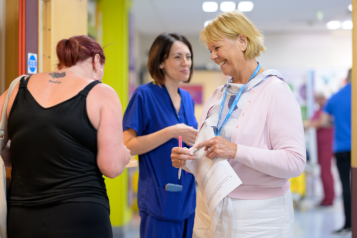
Experiences of first and second-generation immigrants when accessing NHS care
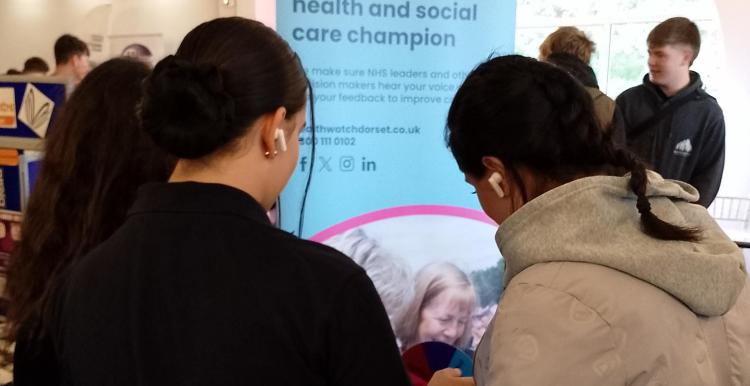
The project was designed and led by Healthwatch Dorset’s young volunteers, who spoke to 88 local residents from immigrant communities between May and July 2025. Their aim was to understand how effectively the NHS communicates with people from diverse backgrounds, and to identify the barriers they face when trying to access care.
Quotes from Healthwatch Dorset student volunteers from Bournemouth School for Girls:
“Being a second-generation immigrant myself, I’m really interested in finding out more about how both first and second-generation immigrants experience using NHS services. Since such a large part of the UK population [around 16–18% in the 2021 Census] is made up of people born outside the UK. I think it’s important to understand whether things like language, culture or background make a difference in how people access care.”
“The project went beyond my expectations, I did not think we would get as many responses to the survey and I didn’t expect the project to become so important and valued.”
Announcing the report, Louise Bate, Healthwatch Dorset Manager, said: “We are incredibly grateful to everyone who shared their personal experiences with us – carers, patients and staff – that gave us valuable insights of the service. We will be sharing our findings with the Dorset Hospital at Home Steering Committee and leading consultants to help their development of better services in the community.“
What people told us
While many people shared positive experiences of kind and supportive NHS staff, others described avoidable barriers that made getting care more difficult. Feedback centred on several key themes:
- Difficulty navigating the NHS system and lack of clear information
- Language barriers and limited access to translation
- Digital barriers
- Cultural needs not always recognised
- Lack of trust in the healthcare system
- Long wait times for GP, dental and emergency care.
Despite these challenges, the majority of respondents felt they could get NHS services when needed, and many praised staff for treating them equally and helping to reduce anxiety.
Recommendations: What needs to change
Participants were clear about the improvements they would like to see. Their recommendations focus on clarity, accessibility, and ensuring that NHS services understand and respect cultural differences.
1. Make interpreter and translation services clear and consistent
People told us they are often unaware interpreters are available. We recommend ensuring interpreter needs are clearly recorded and acted upon, and that NHS staff check who the appointment is for when it is booked by someone else.
2. Clearer, jargon-free communication in multiple languages
Those who answered the survey wanted more accessible information about how the NHS works, how to access different services, and what to expect. This includes increasing multilingual resources, offering non-digital options, and ensuring consistency across GP practices, hospitals and other services.
3. Greater awareness and understanding of cultural needs
Building a more culturally competent NHS — supported by training and awareness of inclusive policies — would help increase trust and improve patient outcomes for diverse communities.
4. Better information for people waiting for care
Long wait times were the most common difficulty reported. Respondents said they need clearer, culturally relevant information about waiting lists and what support is available while they wait.
Putting people's voices at the heart of change
Commenting on the findings, Louise Bate added: "People from immigrant communities bring invaluable insights into how the NHS can better meet the needs of all residents. Our young volunteers have shown how listening to peoples’ lived experiences can highlight simple, practical improvements — from clearer communication to culturally aware support — that would make a real difference."
We will share this report with NHS partners across primary and secondary care to support ongoing work to improve access, communication and trust.
Read the full report
Navigating the NHS: Voices from immigrant communities in Bournemouth
With thanks to students and staff at Bournemouth School for Girls and Bournemouth School.