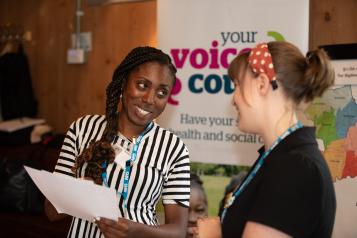
Women's Health Survey launches across Mid Dorset

Our survey, in partnership with Mid Dorset Primary Care Network (PCN), will run for six weeks and aims to gather views from women aged 16 and over living in Dorchester and surrounding communities including Puddletown, Cerne Abbas, Milton Abbas, Portesham and Crossways.
The national Women's Health Strategy for England aims to expand health hubs across the country. Mid Dorset PCN is planning a dedicated women's health hub to improve access to support and services locally. Findings from a Dorset-wide survey undertaken in 2024 showed that women want clear information, to feel listened to, and to be able to access services closer to home. This new survey will build on those findings by gathering detailed feedback from women living across Mid Dorset and identify opportunities to improve support and care.
Women's health issues can affect people at every stage of life, from reproductive health and maternity care to menopause support, screening services, mental health and long-term conditions. By sharing their experiences, local women can help shape future services and priorities for healthcare providers across Mid Dorset.
Your opinion counts
We are the independent champion for people using health and social care services, working with NHS organisations and care providers to identify what is working well and where improvements are needed.
Louise Bate, Manager at Healthwatch Dorset, said: "Every woman's experience of healthcare is different, and it is vital that local services understand what is working well and where improvements are needed. By taking part in this survey, women across Mid Dorset can help us better understand their experiences and priorities, ensuring that their views help shape future healthcare developments and reflect what local people need.”