How do young people and their families feel about the support they get with SEND?
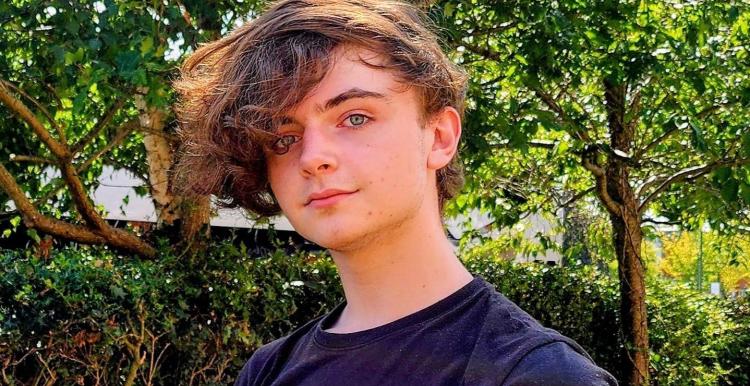
Tell me about your special educational needs and disabilities and your experience of receiving support.
"I am currently on a pathway to receive a dual diagnosis for autism and ADHD (attention hyperactivity disorder). I first explored this process at around 13 years old, after the SEND (special educational needs and disabilities) Coordinator at my former school suggested I look into it. Although I researched it for a while, the application process then kind of evaded me. However, since joining Bournemouth School about a year ago, I have started the Right to Choose pathway, which I understand takes approximately 20 weeks."
Have you experienced any barriers when trying to receive support?
"Definitely! Navigating the NHS right now is incredibly frustrating, and getting any kind of support in general feels difficult. The long waiting lists and the lack of attention, etc.
"I didn't even know the Right to Choose pathway existed until my school brought it up. Honestly, though, it just feels like I'm on another waiting list and I’ve not really heard about my progress. Without a formal diagnosis though, I've learned a massive amount about autism and ADHD through online content, and I've also met up with people who are just like me.
"Looking back, I always knew I was different, I just didn't have the words for it until I was 13. I was never a typical, social kid; when we went on holiday, you’d usually find me befriending the bartender instead of playing with the other children."
How does your SEND impact on other areas of your life?
"The social stigma around being neurodivergent is still very real. I feel like it would help destigmatise the condition if people saw it as a physical reality rather than just a 'disorder.' It often feels like walking around with an invisible broken leg, because no one can see it, they think you're just complaining over nothing.
"For me, navigating the world means avoiding large crowds entirely and relying heavily on structure. I need a set schedule, otherwise I lose momentum and struggle to get things done. Food is a challenge too; if I don’t follow a strict breakfast, lunch, and dinner routine, I just won’t eat.
"At the end of the day, though, being neurodivergent has made me who I am, and without that I wouldn’t be me."
What could be done better?
"Informing and educating people is the only way we will truly destigmatise being neurodivergent. There is still a lot of narrow-mindedness out there, with people still believing myths like vaccines causing autism, or the idea that autism can somehow be cured.
"If the NHS received more dedicated funding for neurodiversity, it would make a massive difference. I also believe every school should have an on-site neurodiversity specialist who can run initial assessments when they spot a student struggling. Early intervention is key. The sooner children are diagnosed, the better."
Share your story
Get in touch to share your experiences of local health and social care services, good and bad, to help make care better for all Dorset residents.